
African Healthcare Systems in 2026
Introduction: African Healthcare at a Turning Point in 2026
As we move into 2026, African healthcare systems are entering a decisive era. Population growth, climate-related health risks, and rising expectations for quality care are pushing governments and providers to rethink how healthcare is delivered, financed, and managed.
Thank you for reading this post, don't forget to subscribe!In 2026, success will depend less on infrastructure alone and more on strong health systems powered by data, technology, and smart policy decisions.
Persistent Challenges Shaping African Healthcare Systems in 2026
1. Healthcare Financing Gaps Remain a Major Constraint
Despite reforms, healthcare financing remains one of the most pressing challenges in 2026. Many countries still struggle to meet sustainable funding levels, leading to:
- High out-of-pocket expenses for patients
- Delayed service delivery
- Under-investment in digital infrastructure
Innovative financing models — including national health insurance schemes and community-based health financing — are becoming central to health policy discussions.
WHO – Health Financing in Africa
StreamlineUBUNTU – Community-based health insurance platforms
2. Workforce Pressure and Efficiency Demands
In 2026, workforce shortages persist, but expectations for efficiency are higher than ever. Healthcare professionals are increasingly expected to:
- See more patients
- Produce accurate reports
- Comply with national data requirements
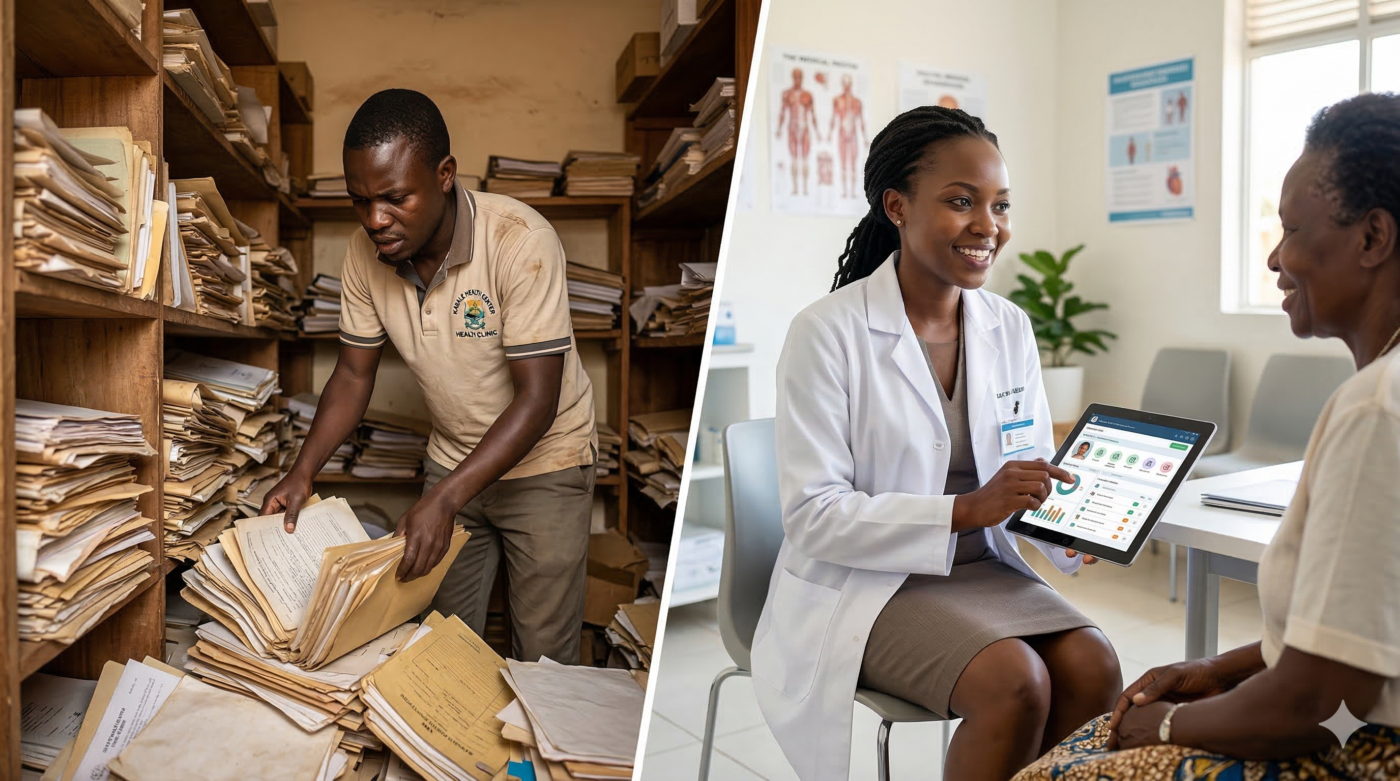
Digital tools such as Electronic Medical Records (EMRs) and automated workflows are no longer optional — they are essential for sustainability.
StreamlineEMR – Reducing clinician workload through smarter systems
3. Data Fragmentation Still Undermines Decision-Making
Although digital health adoption has grown, many systems remain disconnected. In 2026, fragmented data continues to limit:
- National health planning
- Disease surveillance
- Resource allocation
Interoperable health information systems are becoming a key policy priority across Africa.
Healthcare Policy and Digital Health Trends Defining 2026
1. Universal Health Coverage Moves from Vision to Execution
By 2026, Universal Health Coverage (UHC) strategies across Africa are shifting from policy frameworks to practical implementation. Governments are focusing on:
- Expanding insurance coverage
- Integrating private healthcare providers
- Strengthening financial accountability
World Bank – Universal Health Coverage
2. Digital Health Becomes Core Infrastructure
In 2026, digital health is no longer treated as a pilot or innovation project. It is becoming core national health infrastructure.
Key digital health trends include:
- National EMR rollouts
- Cashless healthcare payments
- Mobile access to personal health records
- Real-time reporting to ministries of health
GSMA – Digital Health in Africa
StreamlineMYAPP – Giving patients access to their health records anytime
3. Technology-Enabled Healthcare Financing
By 2026, healthcare financing is increasingly supported by digital platforms that:
- Automate billing and reconciliation
- Reduce revenue leakage
- Improve transparency for funders and governments
Cashless systems are helping facilities stabilize revenue while improving patient experience.
StreamlinePAY – Powering cashless healthcare in Africa
Data-Driven Healthcare Decision-Making: The Defining Theme of 2026
From Data Collection to Actionable Intelligence
In 2026, the conversation has shifted from collecting data to using data intelligently. Health leaders are demanding insights that answer critical questions:
- Where are disease outbreaks emerging?
- Which facilities are under-resourced?
- How effective are national health programs?
AI, Analytics, and Population Health Insights
Advanced analytics platforms are enabling:
- Early epidemic warnings
- Endemic disease tracking
- Evidence-based policymaking
- Medical and public health research
Data anonymization and aggregation are also becoming essential to protect patient privacy while unlocking system-wide insights.
StreamlineSNAP – AI-powered health data analytics for 2026 and beyond
CDC – Public Health Surveillance
What African Healthcare Systems Will Look Like Beyond 2026
Looking ahead, African healthcare systems will increasingly be:
- Integrated rather than fragmented
- Preventive rather than reactive
- Data-driven rather than intuition-based
- Patient-centered rather than facility-focused
Organizations that invest in interoperable digital health platforms and strong data governance in 2026 will define the next decade of healthcare delivery.
Conclusion
In 2026, African healthcare systems stand at a critical crossroads. The choices made today — in policy, financing, and digital transformation — will determine whether healthcare becomes more equitable, efficient, and resilient.
At Streamline, we remain committed to building integrated, data-driven healthcare solutions that empower underserved health facilities and support governments in delivering better health outcomes.